Storm-Proofing Your Gutters: Essential Tips for SEQ Homes
South-East Queensland’s intense downpours, strong winds and summer storms put roof drainage systems under pressure. When gutters overflow, water can enter eaves, damage fascia boards and collect around foundations. No gutter system is completely storm-proof, but regular maintenance and correctly designed drainage significantly reduce the risk of water damage.
Prepare Before Storm Season
Arrange a gutter inspection before the main summer storm period, then check again after severe weather. Homes surrounded by trees may need more frequent cleaning, particularly when leaves, seed pods and bark accumulate. Do not wait for a storm warning to organise work at height.
- Remove debris: Clear gutters, roof valleys and downpipe entry points so water can flow freely.
- Check drainage: In dry conditions, a professional can use a controlled hose flow to identify slow drainage, leaks and blockages. This does not prove the system can handle an intense storm.
- Inspect connections: Look for loose brackets, separated joints, rust holes and sagging sections.
- Check discharge points: Keep accessible stormwater grates clear and investigate water backing up around downpipes.
- Manage nearby vegetation: Arrange safe pruning of overhanging branches where appropriate, checking local council requirements for protected trees.
Fix Overflow Problems, Not Just Blockages
If clean gutters still overflow, the problem may involve inadequate capacity, incorrect fall, poorly positioned outlets or a blocked underground stormwater pipe. Simply installing larger gutters may not address the cause.
Ask a suitably licensed contractor to assess the roof catchment area, gutter profile, downpipe size and spacing, and the entire discharge route. Replacement or altered systems should meet applicable Queensland building and plumbing requirements, including relevant National Construction Code provisions and referenced standards.
Make Sure Overflow Has a Safe Escape Route
During exceptional rainfall or a blockage, water needs a compliant overflow path that helps prevent it entering the building. This is especially important where gutter positioning or roof design makes concealed water entry possible. Do not drill overflow holes or modify gutter edges yourself; suitable overflow measures depend on the installation and must be properly designed.
Choose Gutter Guards Carefully
Gutter guards can reduce leaf accumulation, but they do not make gutters maintenance-free. Fine debris can still enter, and material can collect on top of the mesh or around roof valleys. Choose a product suited to your roof, surrounding vegetation and local conditions, with practical access for cleaning and inspection.
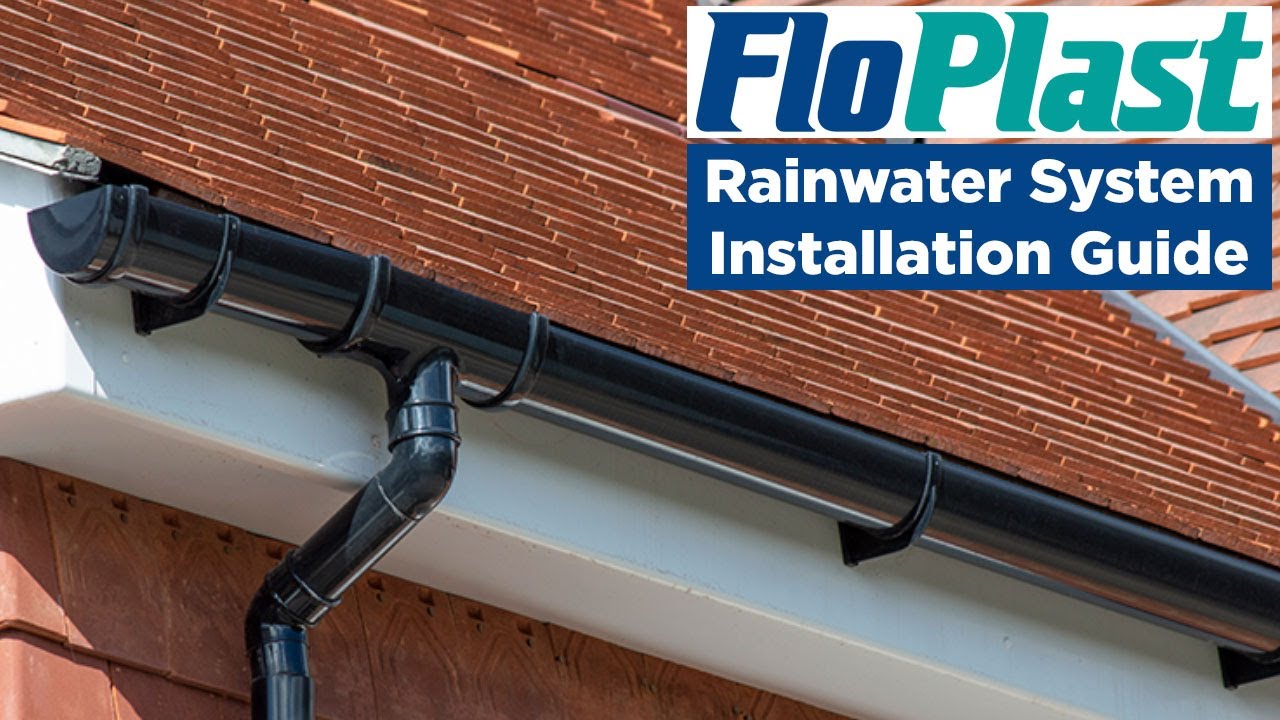

For coastal homes on the Gold Coast and Sunshine Coast, ask about corrosion-resistant materials https://roofrestorationseq.com.au/painting-sealing/ and compatible fixings. Mixing incompatible metals can accelerate corrosion. Where bushfire construction requirements apply, confirm that any guard system meets the requirements relevant to your property.
Inspect Safely After Severe Weather
Once conditions are safe, inspect from ground level for hanging gutter sections, displaced downpipes, staining under eaves and debris lodged on the roof. Photograph visible damage for repair and insurance discussions. Never climb onto a wet roof, work during lightning or approach fallen powerlines.
Book a professional assessment if gutters repeatedly overflow, water appears inside the home or drainage backs up near the building. Early repairs and routine gutter cleaning are practical investments in protecting your SEQ home before the next heavy downpour.
SEQ Roof Restoration Experts
Unit 6/25 Lerna St, Woolloongabba QLD 4102
(07) 3132 3236